Smallholder farmers play a crucial role in global food production, yet they often face significant challenges in accessing markets for their agricultural products. In this comprehensive blog post, we’ll explore the various market access challenges smallholder farmers encounter and discuss strategies for navigating these obstacles to achieve economic success and sustainability.
Limited Market Infrastructure:
One of the primary challenges smallholder farmers face is limited market infrastructure, especially in rural and remote areas. Many smallholder farmers lack access to proper storage facilities, transportation networks, and market information systems, making it difficult for them to sell their produce in a timely manner and at fair prices. Without adequate infrastructure, farmers may incur losses due to post-harvest losses, spoilage, and price volatility, undermining their economic viability and food security.
To address this challenge, smallholder farmers can collaborate with local governments, NGOs, and private sector stakeholders to invest in market infrastructure development initiatives. This may involve building or upgrading storage facilities, improving road networks, establishing market information centers, and facilitating access to transportation services. By strengthening market infrastructure, smallholder farmers can improve their market access opportunities, reduce post-harvest losses, and enhance their bargaining power in negotiations with buyers.
Lack of Market Information:
Another common challenge faced by smallholder farmers is the lack of timely and accurate market information. Many farmers operate in information-poor environments where they have limited access to market prices, demand trends, and buyer preferences. Without access to market information, farmers may struggle to make informed decisions about what to produce, when to sell, and where to sell their products, leading to inefficiencies and missed market opportunities.
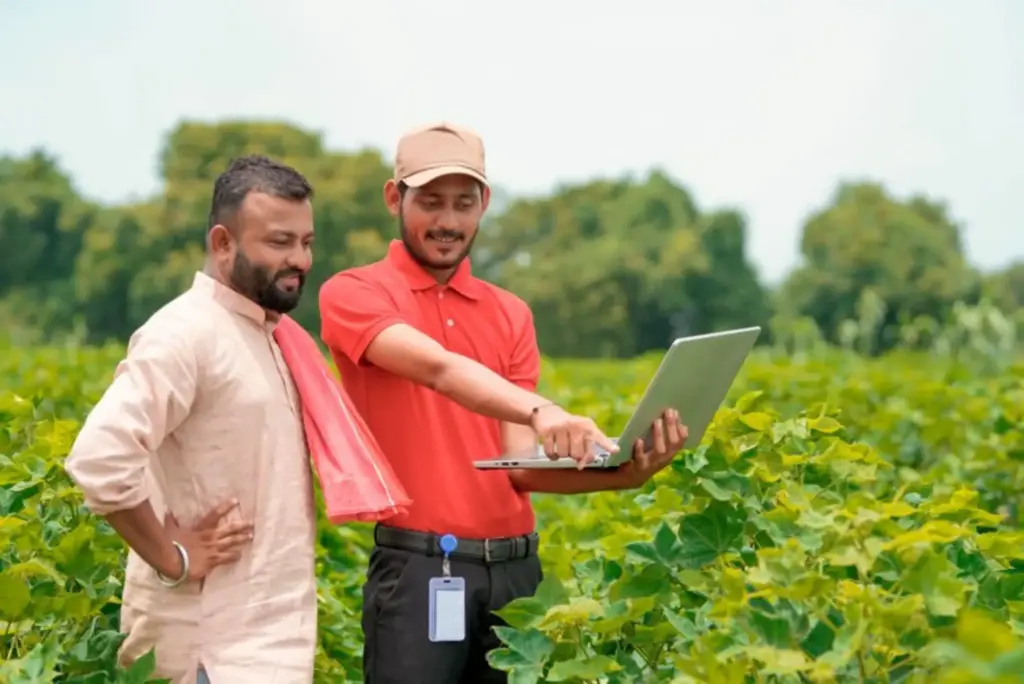
To overcome this challenge, smallholder farmers can leverage technology and innovation to access market information more efficiently. Mobile phone apps, online platforms, and SMS-based services can provide real-time market updates, price alerts, and trading opportunities to farmers, enabling them to make data-driven decisions and optimize their marketing strategies. Additionally, farmer cooperatives, producer organizations, and extension services can play a crucial role in disseminating market information and building farmers’ capacity to interpret and use market data effectively.
Unfair Trading Practices:
Smallholder farmers often face unfair trading practices in agricultural markets, including price manipulation, contract breaches, and unfair competition from larger agribusinesses. Without adequate legal protection and market regulation, smallholder farmers may find themselves at a disadvantage when negotiating contracts and dealing with buyers, processors, and intermediaries.
To address this challenge, smallholder farmers can advocate for policies and regulations that promote fair trade and protect farmers’ rights in agricultural markets. Governments can enforce anti-trust laws, establish fair trade certification schemes, and provide legal assistance to smallholder farmers in contract negotiations and dispute resolution processes. Additionally, farmer associations and cooperatives can strengthen farmers’ collective bargaining power and negotiate better terms and conditions with buyers on behalf of their members.
Conclusion:
Navigating market access challenges is critical for smallholder farmers to achieve economic success and sustainability in today’s competitive agricultural markets. By addressing infrastructure constraints, improving access to market information, and advocating for fair trade practices, smallholder farmers can enhance their market access opportunities, increase their incomes, and improve their livelihoods. As stakeholders in the global food system, we must recognize the importance of supporting smallholder farmers and empowering them to overcome market access barriers. Together, let’s work towards a more inclusive, equitable, and sustainable food system that benefits smallholder farmers and ensures food security for all.